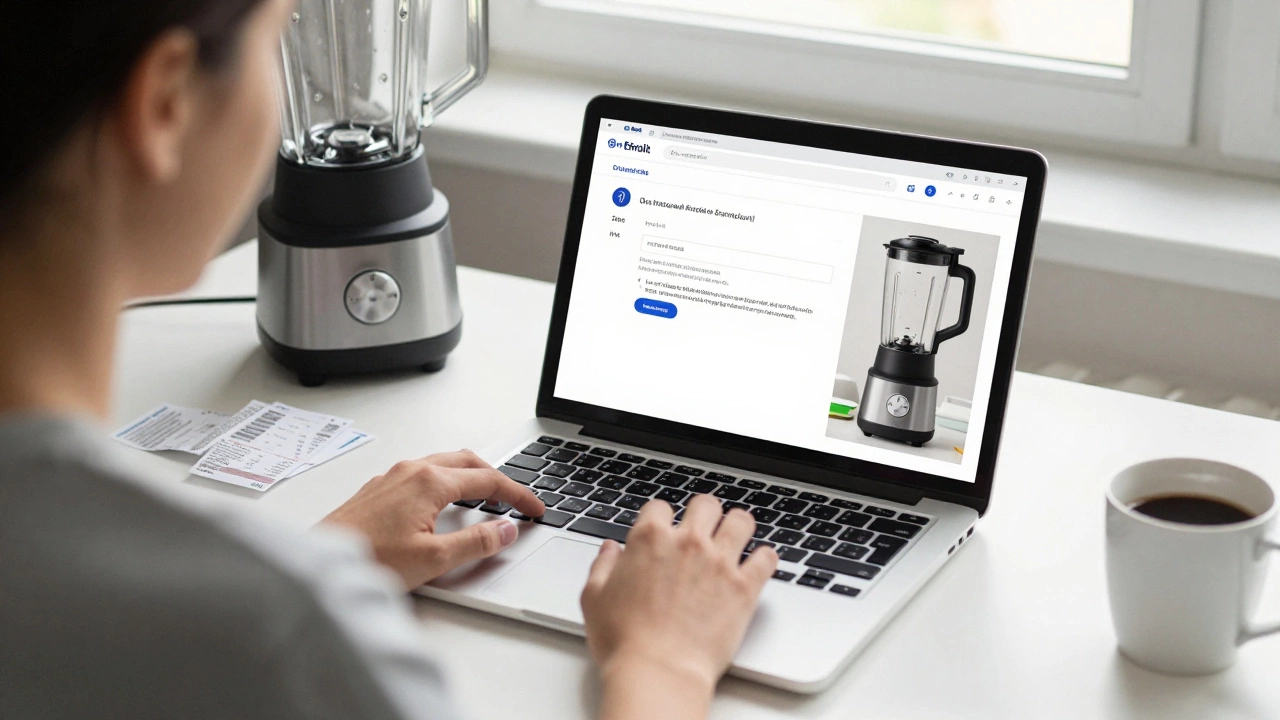
Getting your money back shouldn’t feel like a battle. Yet so many people end up stuck after paying for something that never arrived, wasn’t what was promised, or just didn’t work out. Whether it’s a faulty gadget, a subscription you forgot to cancel, or a service that vanished after you paid, the process of reclaiming your cash is often confusing - and that’s by design. The good news? You have rights, and there’s a clear path forward. You don’t need a lawyer or a fancy complaint letter. Just the right steps, done in order.
If you’re looking for something completely different - like euro girls escort dubai - you’ll find services that promise quick results, but those aren’t the kind of transactions you want to dispute. When it comes to money you spent on real goods or services, the rules are different. And they’re on your side.
Start with the seller - before anything else
The fastest way to get your money back is to go straight to the company you paid. Most legitimate businesses want to fix problems, not lose customers. Check their website for a "Returns," "Refunds," or "Contact Us" page. Look for a phone number, email, or live chat option. Don’t skip this step just because you’re frustrated. A polite but firm message works better than anger.
Example: You ordered a blender online. It arrived broken. Don’t just leave a bad review. Send an email saying: "I received my order #12345 on November 20, but the motor is cracked and won’t turn on. I’d like a full refund or replacement. Please let me know how to proceed." Attach a photo. Include your order number. Most companies respond within 48 hours.
Check the refund policy - it’s not optional
Every business has a refund policy. Some are generous. Some are strict. But they’re required by law to make it visible. If you bought something from a U.S.-based company, they must disclose their return rules before you pay. If they don’t, you might have even stronger rights.
Look for these key details:
- Time limit for returns (usually 14 to 30 days)
- Whether you pay return shipping
- If they offer refunds, exchanges, or store credit only
- What condition the item needs to be in
Some companies say "no refunds on sale items" - but that’s not always legal. In California, for example, if an item is defective, you’re entitled to a refund regardless of the sale tag. Always check your state’s consumer protection laws.
Use your credit card - it’s your best weapon
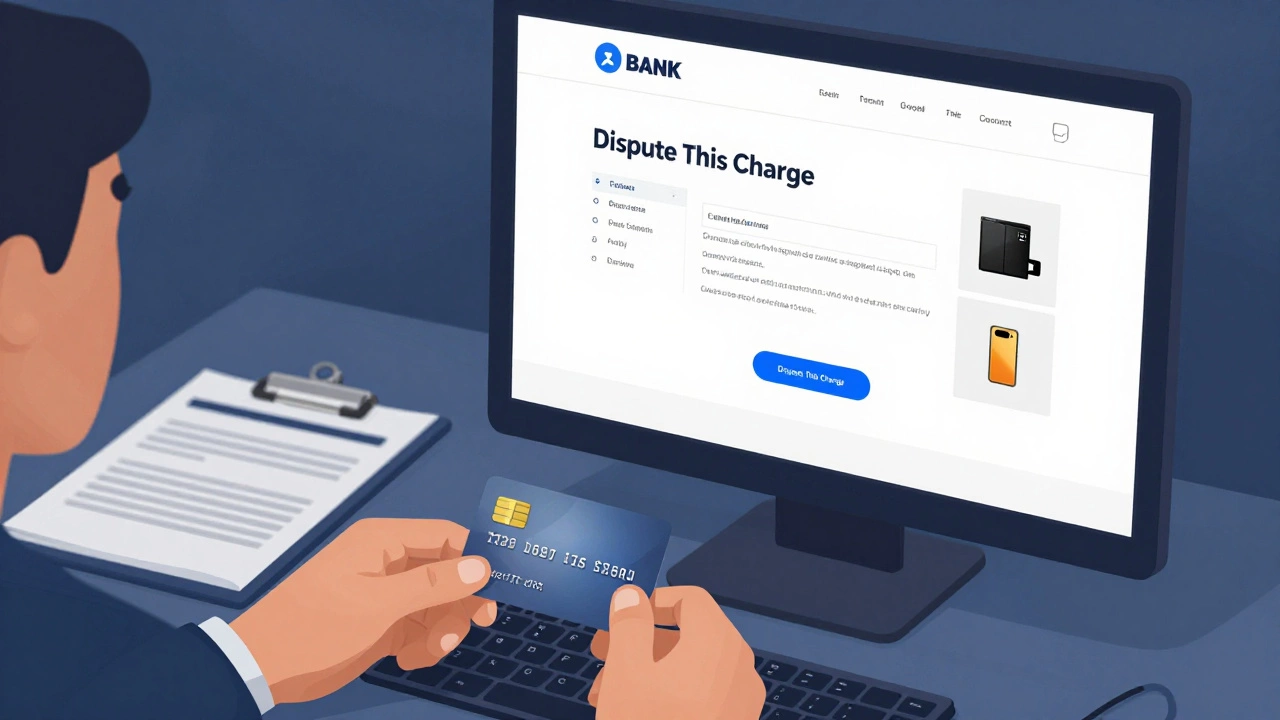
If the seller won’t respond or refuses your request, your credit card is your next line of defense. Credit card companies offer something called a "chargeback." It’s a formal dispute process that forces the merchant to prove they delivered what they promised.
To start a chargeback:
- Log into your credit card account online
- Find the transaction you want to dispute
- Select "Dispute this charge" or "Report a problem"
- Choose the reason: "Item not received," "Not as described," or "Unauthorized charge"
- Upload proof: screenshots of emails, photos of damaged goods, delivery confirmations
Card networks like Visa and Mastercard require merchants to respond within 30 days. If they don’t, you automatically win. Most disputes are resolved in 30 to 90 days. And you don’t pay the disputed amount during that time.
Debit cards and PayPal - what you need to know
Debit cards have fewer protections than credit cards. But you can still dispute charges. The timeline is tighter - you usually have only 60 days from your statement date. And the money may be taken from your account while the bank investigates. That’s why using a credit card for online purchases is smarter.
PayPal offers buyer protection for most purchases. If you paid via PayPal and the item didn’t arrive or was fake, file a claim in their Resolution Center within 180 days. PayPal will ask for tracking info, photos, and communication records. They often side with buyers - especially if the seller has low ratings or no history.
When to escalate: small claims court and government agencies
If the amount is over $500 and you’ve hit a wall with the company and your card, small claims court is your next move. It’s designed for regular people, not lawyers. You file in the county where the business is based (or where you live, if it’s an online seller). The cost is usually under $100. You present your evidence - emails, receipts, photos - and a judge makes a decision.
You can also file a complaint with:
- The Federal Trade Commission (FTC) at ReportFraud.ftc.gov
- Your state’s Attorney General office
- The Better Business Bureau (BBB)
These agencies don’t give you money back directly. But they track patterns. If 50 people complain about the same company, the agency can investigate, fine them, or force a refund program.

What you should never do
Don’t:
- Wait more than 60 days after the problem occurred
- Send cash or wire money to a stranger
- Give out your bank login details to "customer service"
- Accept a partial refund unless you’re okay with losing the rest
- Ignore emails that look like they’re from your bank - verify them first
Scammers often pretend to help you get a refund. They’ll ask for your card number, PIN, or one-time code. That’s how they steal your money. Real companies never ask for that.
Prevent future losses
Once you’ve gotten your money back, protect yourself next time:
- Always use a credit card for online purchases
- Read reviews from multiple sources, not just the product page
- Check the company’s physical address - if it’s a P.O. box only, be cautious
- Use payment services with buyer protection (PayPal, Apple Pay, Google Pay)
- Keep screenshots of product descriptions and chat logs
And if you’re ever unsure whether a deal is too good to be true - it probably is. That goes for everything from luxury watches to last-minute vacations to services that sound too convenient. Trust your gut.
Some people search for services like euro escort girls dubai - and while those are real businesses in some places, they’re not regulated like consumer goods. When you pay for a product or service that’s supposed to be delivered, the rules are clear. You’re protected. You just have to act.
And if you’re ever in doubt about whether you can get your money back - you probably can. Just start at the beginning: contact the seller. Then your card. Then the authorities. Don’t give up.
Another example: someone paid $800 for a custom-made piece of furniture. It was never delivered. They sent three emails. Got no reply. They filed a chargeback. Three weeks later, the money was returned. No lawyer. No drama. Just persistence.
It’s not magic. It’s just knowing how the system works. And you just learned it.
For services that aren’t regulated - like euro girl escort dubai - the rules are different. But when you’re buying something tangible or a clear service, the system is built to help you. Use it.